
Transforming Acne Scars with Fractional CO2 Laser Treatment
Acne scars can leave lasting marks on the skin, affecting confidence and self-image. Many people struggle to find effective ways to reduce these scars and restore smoother, healthier skin. Fractional CO2 laser treatment offers a promising solution by targeting damaged skin layers and stimulating natural healing. This post explores how this treatment works, what to expect, and practical tips for those considering it.
Understanding Acne Scars and Their Impact
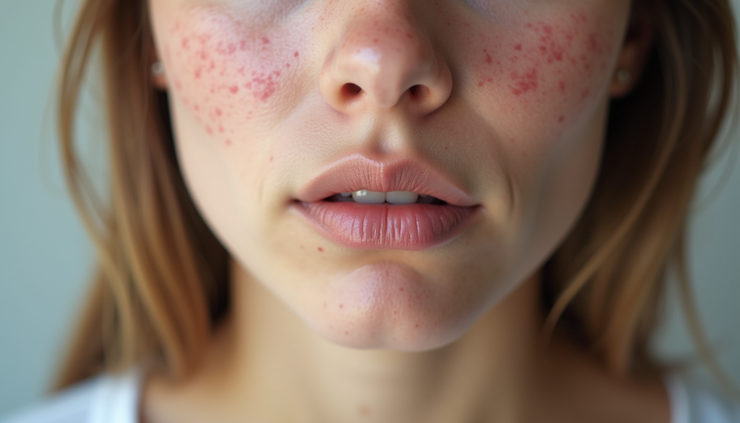
Acne scars form when inflamed blemishes damage the skin’s underlying tissue. There are several types of scars, including:
Atrophic scars: Depressed scars that create pits or indentations.
Hypertrophic scars: Raised scars caused by excess collagen.
Ice pick scars: Narrow, deep scars resembling small holes.
These scars can affect any area prone to acne, most commonly the face. Beyond physical appearance, acne scars often impact emotional well-being, leading to self-consciousness or social anxiety.
How Fractional CO2 Laser Treatment Works
Fractional CO2 laser treatment uses a laser beam to create tiny, controlled wounds in the skin. Unlike traditional lasers that remove the entire surface layer, fractional lasers treat only a fraction of the skin at a time. This approach allows faster healing and reduces side effects.
The laser penetrates deep into the skin, breaking down scar tissue and triggering the body’s natural repair process. New collagen forms, filling in depressed scars and improving skin texture. The result is smoother, firmer skin with reduced scar visibility.
Key Benefits of Fractional CO2 Laser
Targets deep layers of skin for effective scar remodeling
Stimulates collagen production for long-term improvement
Minimal downtime compared to older laser methods
Can improve skin tone and reduce pigmentation issues
What to Expect During and After Treatment
Before starting, a consultation with a dermatologist or licensed practitioner is essential. They will assess your skin type, scar severity, and medical history to determine if fractional CO2 laser is suitable.
Treatment Process
The skin is cleansed and numbed with a topical anesthetic.
The laser device is passed over the treatment area, delivering precise pulses.
The procedure typically lasts 30 to 60 minutes depending on the size of the area.
Recovery and Aftercare
Expect redness, swelling, and mild discomfort for several days.
Tiny crusts or scabs may form and fall off within a week.
Avoid sun exposure and use gentle skincare products during healing.
Multiple sessions (usually 3 to 5) spaced 4 to 6 weeks apart may be needed for optimal results.

Realistic Results and Considerations
Fractional CO2 laser treatment can significantly improve acne scars, but results vary based on scar type, skin condition, and treatment frequency. Patients often see smoother skin texture and less noticeable scars after a few sessions.
It is important to have realistic expectations:
Complete scar removal is unlikely; the goal is improvement.
Some scars respond better than others; ice pick scars may require additional treatments.
Side effects like temporary redness or pigmentation changes can occur but usually resolve.
Discuss any concerns with your provider and follow their advice carefully to maximize benefits and reduce risks.
Additional Tips for Managing Acne Scars
Combining fractional CO2 laser with other treatments can enhance results:
Microneedling: Helps stimulate collagen and improve skin texture.
Chemical peels: Remove dead skin cells and promote regeneration.
Topical retinoids: Support skin renewal and reduce discoloration.
Maintaining a consistent skincare routine with sunscreen and gentle cleansing supports healing and prevents new scars.


Comments